
It is said that at the end of the Ice Age, a group of people journeyed east—toward the rising sun—seeking warmth and a source of life energy. They believed the sun held the vital force they needed and longed to absorb its radiant power.
In silent connection with the sun, they began practicing what was called the Way of Receiving Bahk—Bahk being an ancient word for sun, light, and heavenly brightness. They humbly adjusted their bodies into quiet, meditative postures, attempting to draw energy into every part of their being. This early form of energy absorption eventually evolved into what we now know as the Sundo system.
It is believed that Sundo became fully developed during the Neolithic era and was even part of the early educational system before it was passed on to mountain tribes.
Breath became the central element of their practice. It was understood as the bridge between Heaven, Earth, and Human. Over time, these practitioners learned to:
These teachings were passed down orally, reserved only for those who were mentally and physically prepared to receive them.
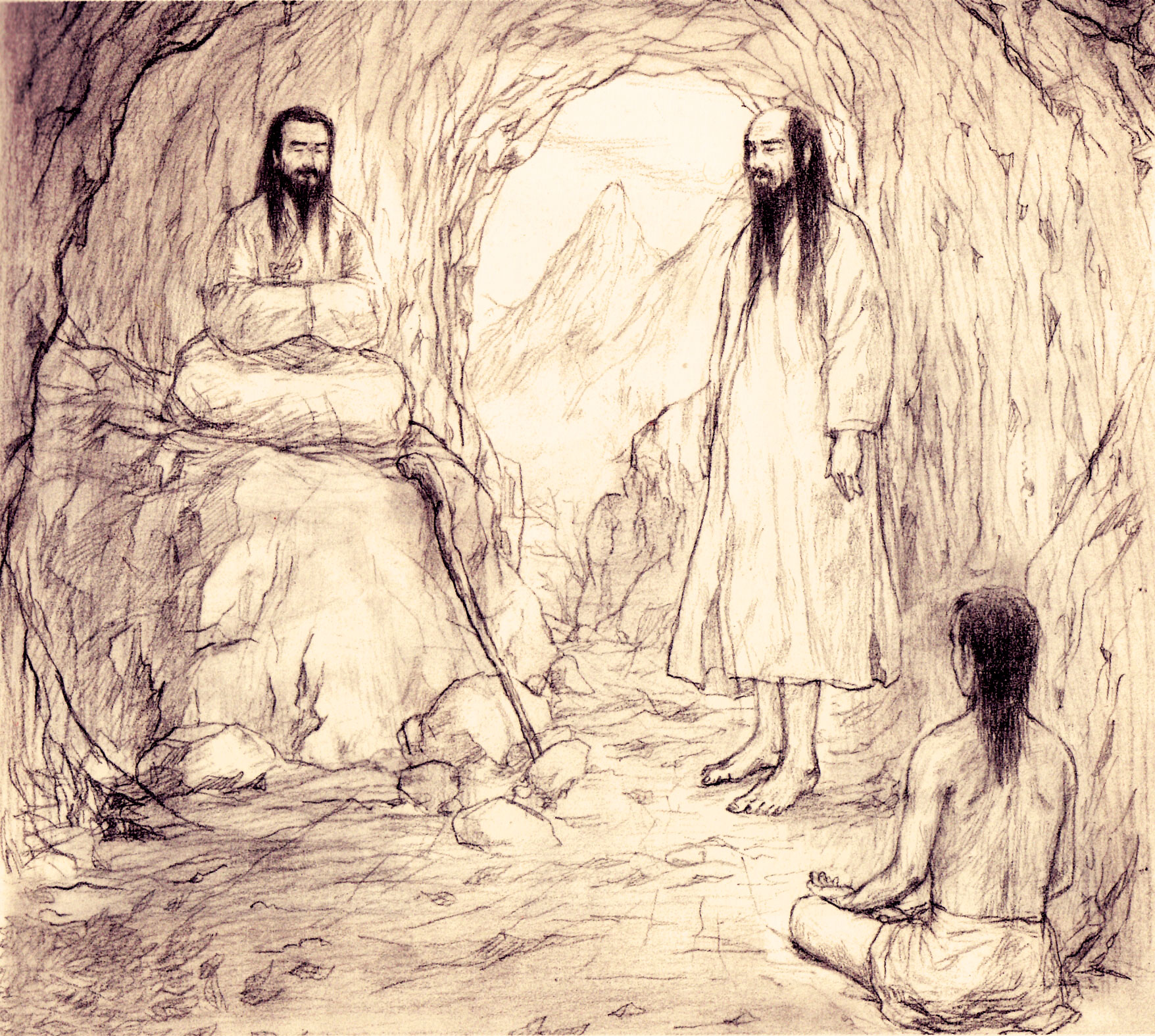
In ancient Korea, those who sought to become shamans or spiritual leaders retreated to the mountains to develop their ability to communicate with the heavens. The sky, sun, moon, and stars were seen as living sources of energy, and it was thought that by entering the stillness of nature, one could draw closer to these cosmic forces.
Sundo played an essential role in the flourishing of ancient northeast Asia, especially among the early Korean civilizations. For centuries, it was a foundational practice for kings, scholars, warriors, and sages. However, as Buddhism and other religious systems gained dominance, Sundo began to fade from public life. Its methods were considered too demanding for most people, especially in the realms of inner discipline and spiritual development.
To preserve the tradition, Sundo masters withdrew once more to the mountains, continuing the practice in secret with a few dedicated students.
Then, in 1967, after 20 years of intense training, Master Chung-san descended from the mountains and brought Sundo back to the people. After centuries of seclusion, the mountain masters had decided it was time to share this profound system with the modern world—so that anyone seeking health, balance, and inner clarity could benefit from its wisdom.
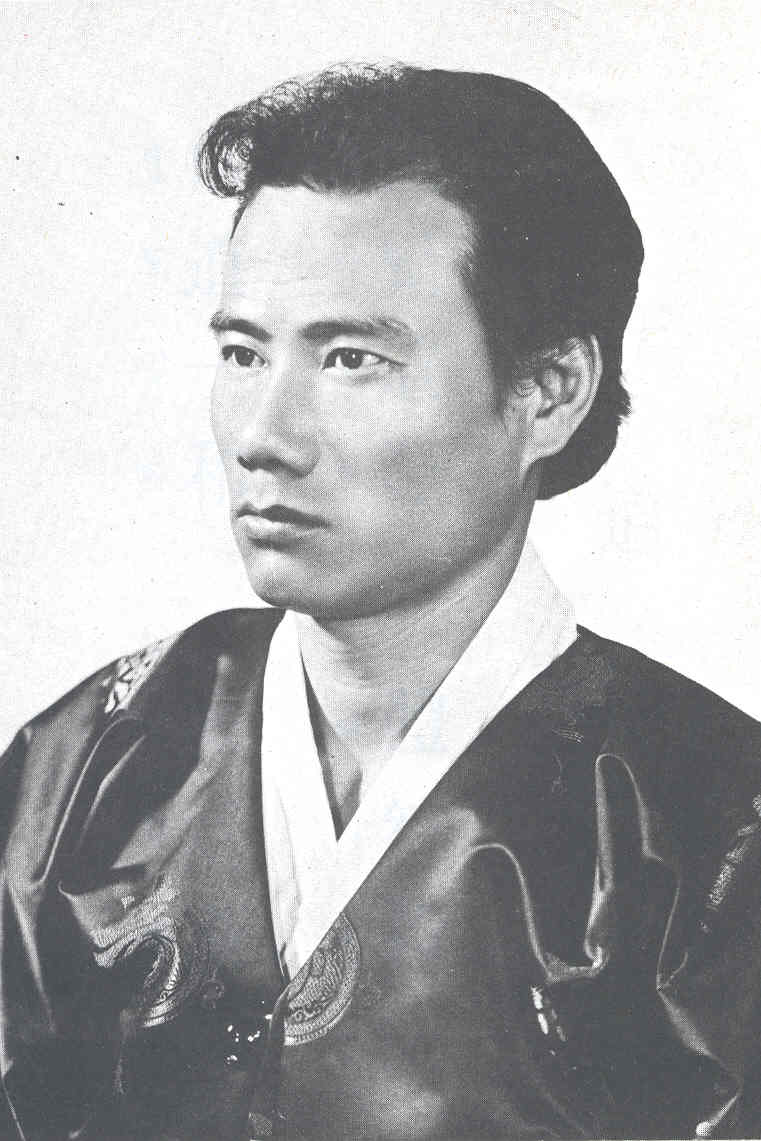
Daoist hermit Be-Kyung, whose original name was Chung-San (Blue Mountain), was a young boy wandering in the mountains of Korea when he met a strange man. This man said, “If I teach you to break stones, will you follow me?” The young boy was more curious than serious and he answered, “Yes.” The man, Chung-Woon (Blue Clouds), proceeded to break stones with his fingers, so the boy (Chung-San) decided to follow this mountain hermit and learn his teachings.
Chung-San lived an ascetic life for about 20 years, taught by Chung Woon and his teacher, Moo Woon (No Clouds). Toward the end of this period, Chung-Woon announced to Chung-San that it was time he returned to society to pass on the wisdom of the ancient Sundo teachings. At that time, Chung-Woon gave him another name, Be-Kyung (Secret Boundary).
Be-Kyung prepared to re-enter normal life by adjusting his diet, obtaining clothing and remembering the ways of the people who don’t live in nature. In 1970, under Be-Kyung’s supervision, the first Sundo main school (Kouksundo Bonwon) opened in Seoul, Korea. After 15 years of service to his fellow human beings, Be-Kyung, in 1984, quietly returned to the hermit life in the mountains.
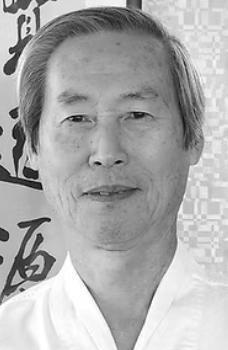
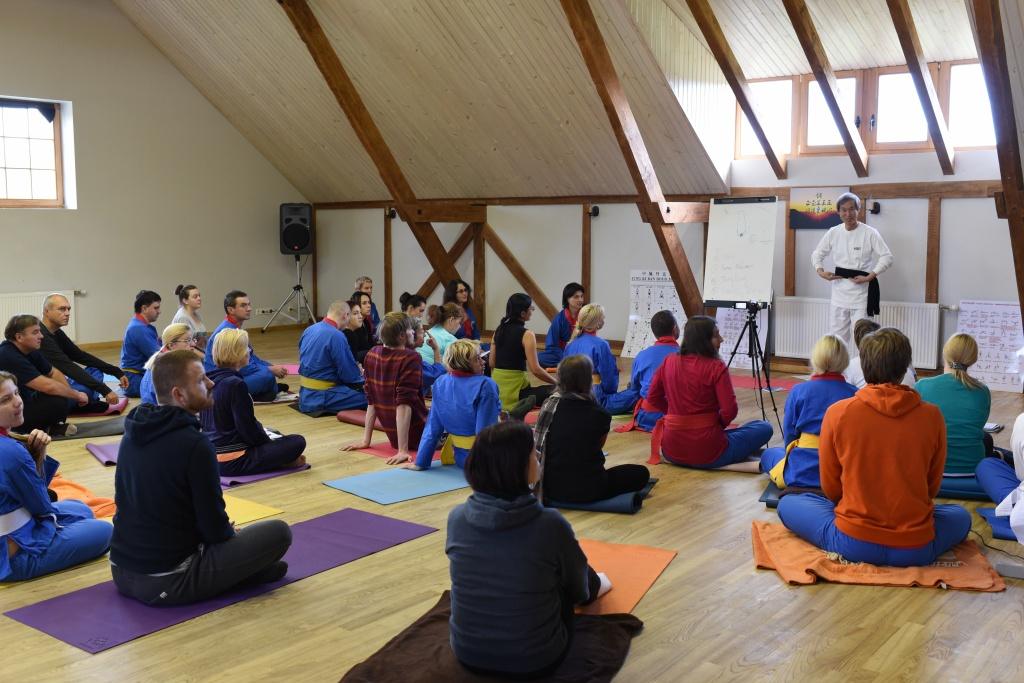
Master Kim Yi Young is the senior instructor of Kouksundo Bonwon. As a disciple of Chung-San, he has taught Sundo for over 40 years.
Master Kim harmoniously embodies the principles of Sundo, he is open, strong and compassionate, his teaching style is very clear and precise, enthusiastically transmitting Sundo to anyone willing to learn.
As Buddhism gained influence in Korea, Sundo's demanding nature led many to consider it too intense for the general population. To preserve its integrity, the practice continued in seclusion with committed students.
After Master Chung-san returned to seclusion in 1984, his student Master Kim Yi Young became the senior instructor at Kouksundo Bonwon. For over 40 years, he has been guiding practitioners in the same tradition, bringing clarity, strength, and compassion to teaching.
While Secluded tribes and advanced practitioners preserved Sundo in the mountains, it was originally part of the broader Neolithic education system, and was practiced by kings, scholars, and warriors. Today, it’s available to everyone seeking well-being and balance.
Copyright © 2025 All Rights Reserved.